Belzona Solutions, Proven in the Field
Real equipment, real problems, real solutions — a growing collection of case studies showing how Belzona's repair composites, polymeric systems, and protective coatings perform across industry.
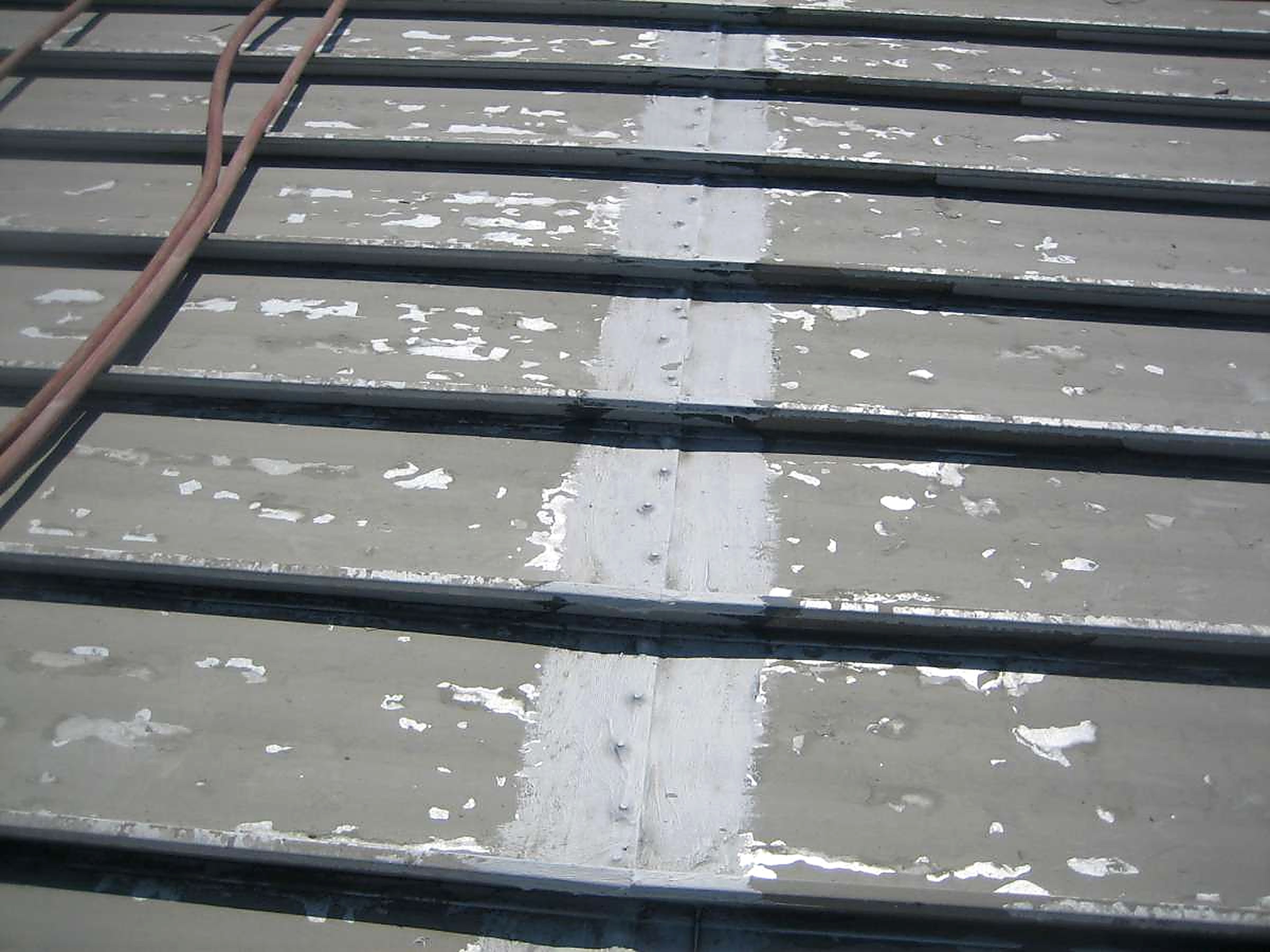
Leaking Packing-Area Roof Waterproofed
Water was getting into a packing area through failed lap seams and fastener rows on a large standing-seam metal roof. The existing roof coating had degraded, fasteners and seams were exposed around the roof vents, and product stored below was at risk every time it rained.
- Facilities Maintenance
- Roofs
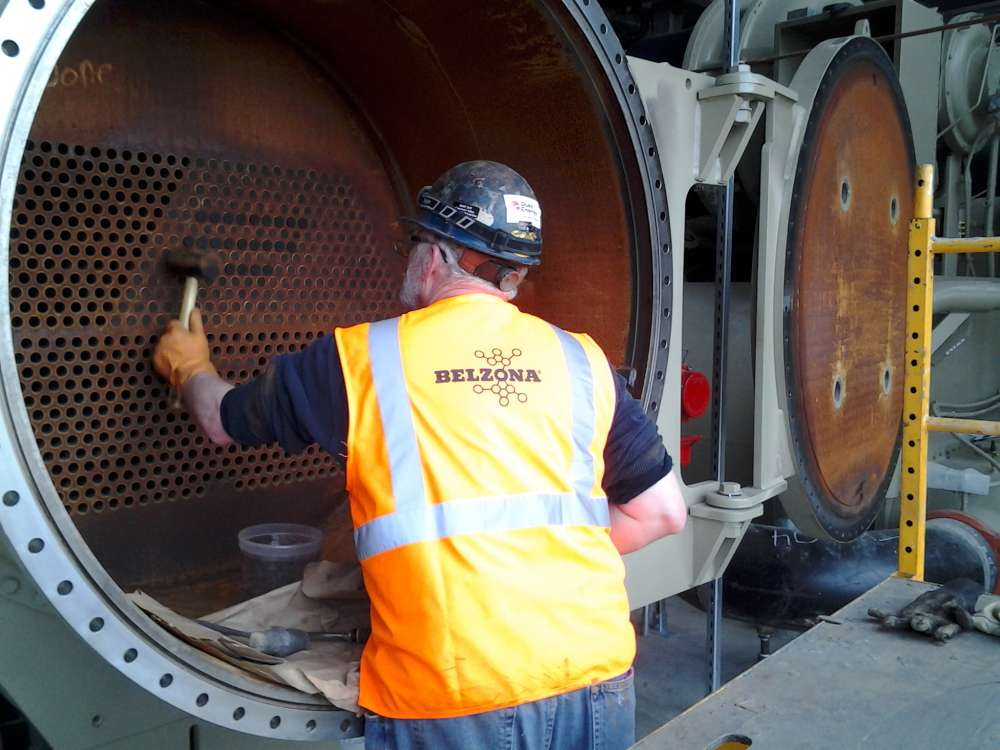
Chiller Plant Heat Exchangers Facing Corrosion
A university built two new chiller plants, one on each side of campus, with eight heat exchangers housed in each building — sixteen 50" face units in all. The buildings were new; the heat exchangers were not. Years of service had already left the carbon-steel water boxes, end covers, and tube sheet faces corroded, with dissimilar metals and high-velocity cooling water continuing to drive galvanic corrosion and erosion-corrosion. Moving that condition into two brand-new plants would have meant rebuilding tube sheets and covers not long after start-up.
- Facilities Maintenance
- Heat Exchangers
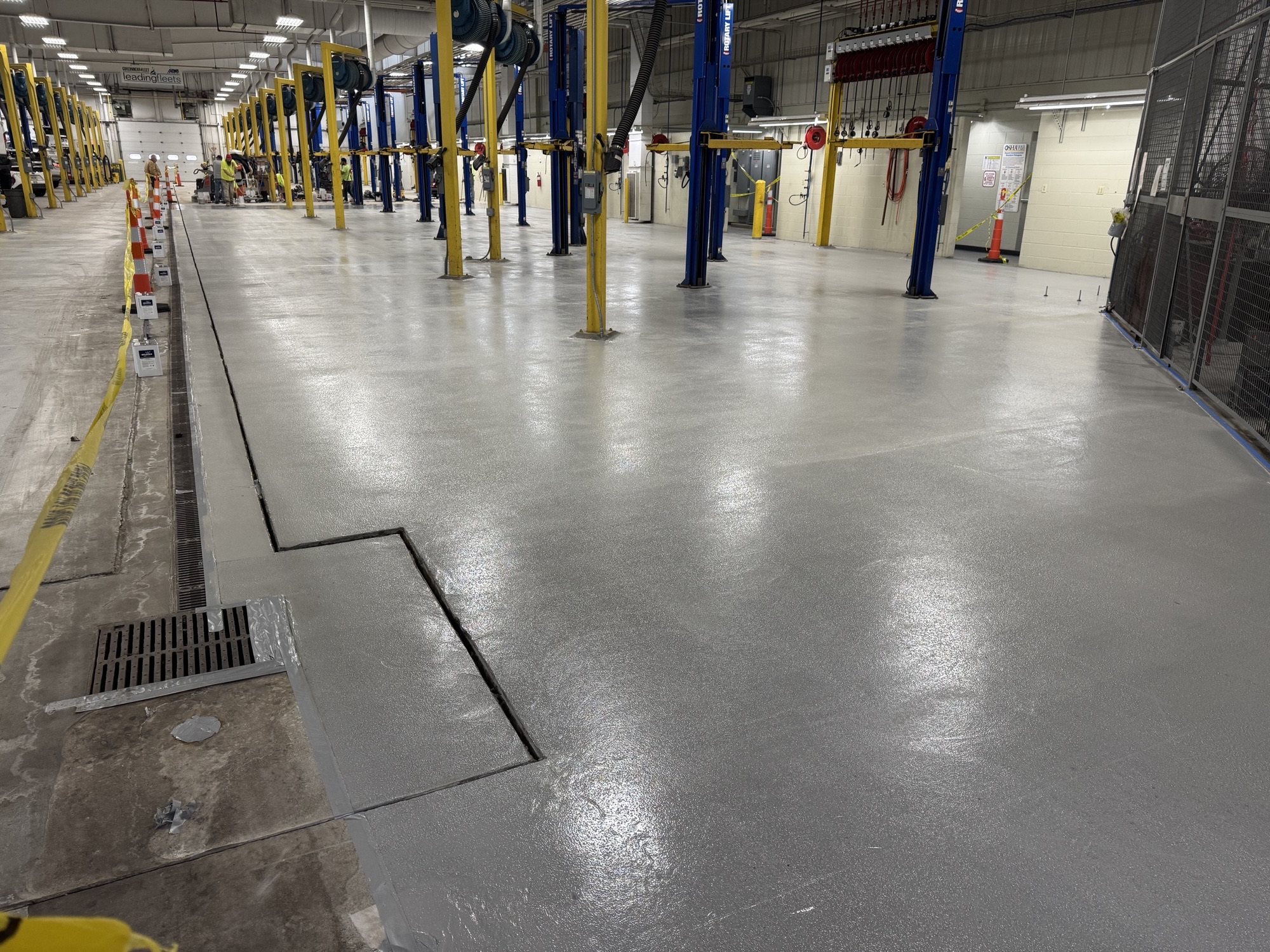
Municipal Facility Floor Recoating
Across a municipal fleet maintenance campus, the concrete floors in the lift garage, motorcycle bay, heavy truck garage, and weld shop had reached the end of their service life. The original coating had broken down under constant vehicle traffic, lift loads, oils, and washdown, leaving worn, stained, and porous concrete that was difficult to keep clean, and expansion joints that needed rebuilding before any new system could be installed.
- Facilities Maintenance
- Floors
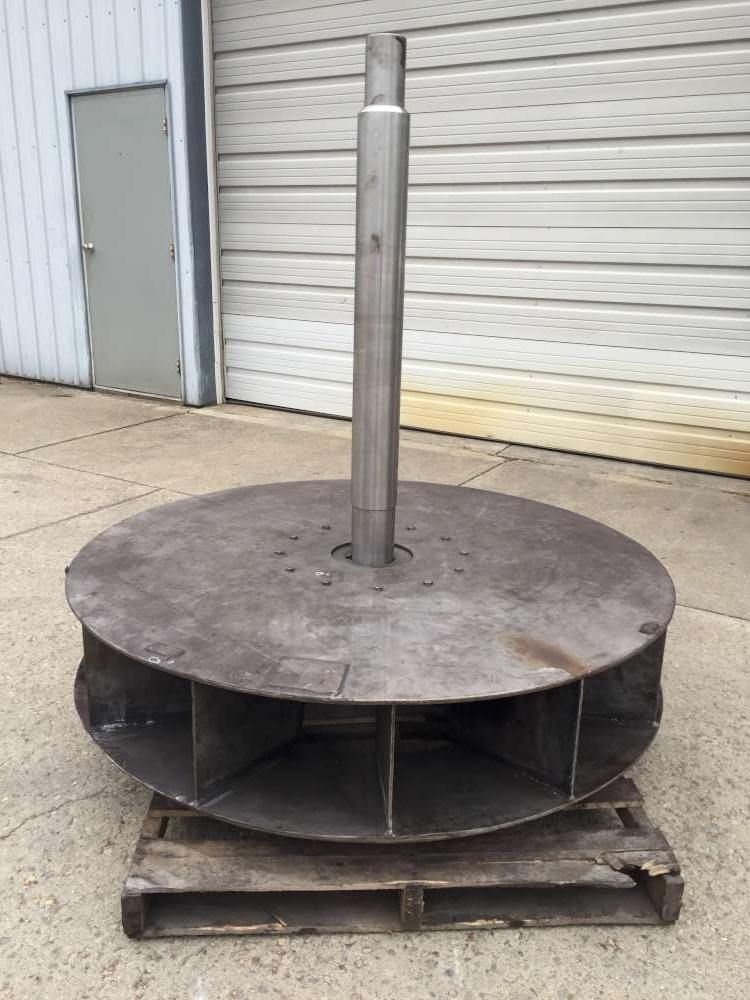
Steel Mill Blower Coated for Efficiency and Build-Up Resistance
A steel manufacturer's large blower rotor ran in a dirty, moisture-laden gas stream. Bare steel surfaces on the shroud, back plate, and blade passages collected deposits, and as material built up the gas path roughened, airflow dropped, and the rotor moved out of balance. Cleaning cycles came around often, efficiency drifted down between them, and the accumulating imbalance added vibration load on bearings and seals.
- Steel
- Fans, Blowers, & Compressors
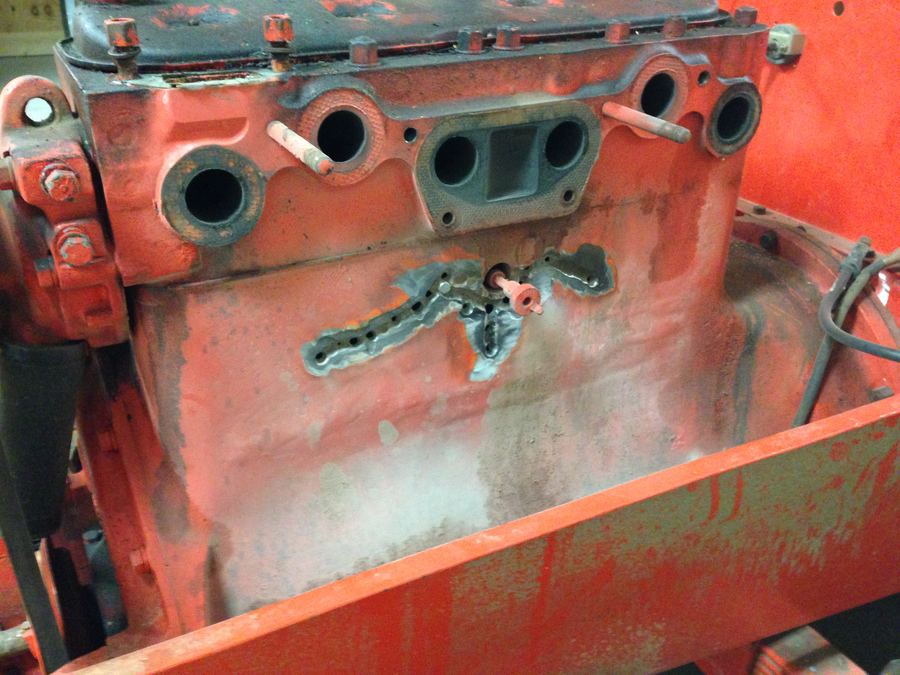
Cracked Engine Casing Repaired In Place
A large cast-iron engine casing developed a branching crack running out from a bolt hole through the block wall. Welding cast iron in place risks distortion and fresh cracking from the heat, and a replacement casing was estimated at roughly $22,000 with a six to ten week lead time — followed by ten or more days of unit downtime to swap it out. The equipment was needed back in service well before any of that could happen.
- General Industry
- Engines & Casings
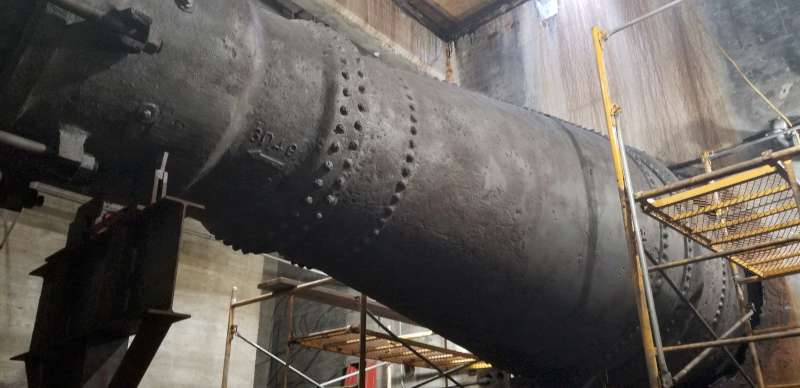
100-Year-Old Riveted Water Main Rebuilt In Place
A riveted steel water main roughly 100 years old and about 6 ft in diameter had corroded badly across a 20 ft underground run. External corrosion had pitted the shell deep enough to feel by hand, with metal loss concentrated along the riveted seams and lap joints where water tracked and sat. Replacement was not feasible — the line sits underground in a confined vault with no room to pull and re-lay pipe of that size — and the city could not shut the water supply off, so any repair had to be made live, in place, with zero downtime.
- Water & Wastewater
- Valves, Pipes, & Fittings
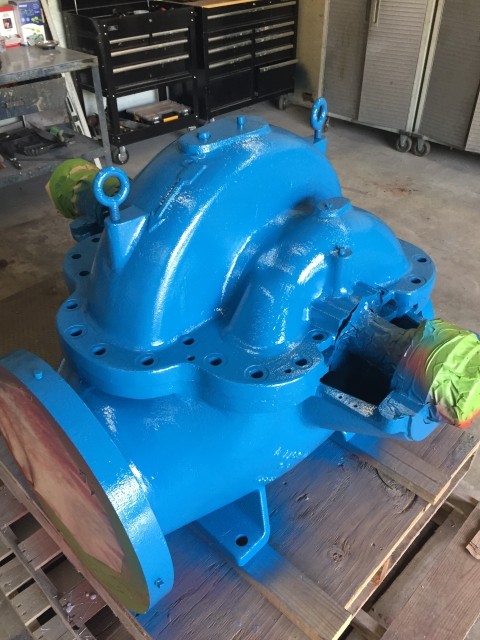
Municipal Water Pump Rebuild
Pump was headed for the scrapyard — severe full-body corrosion, badly eroded cutwater, damaged wear-ring seat, and flange damage.
- Water & Wastewater
- Pumps
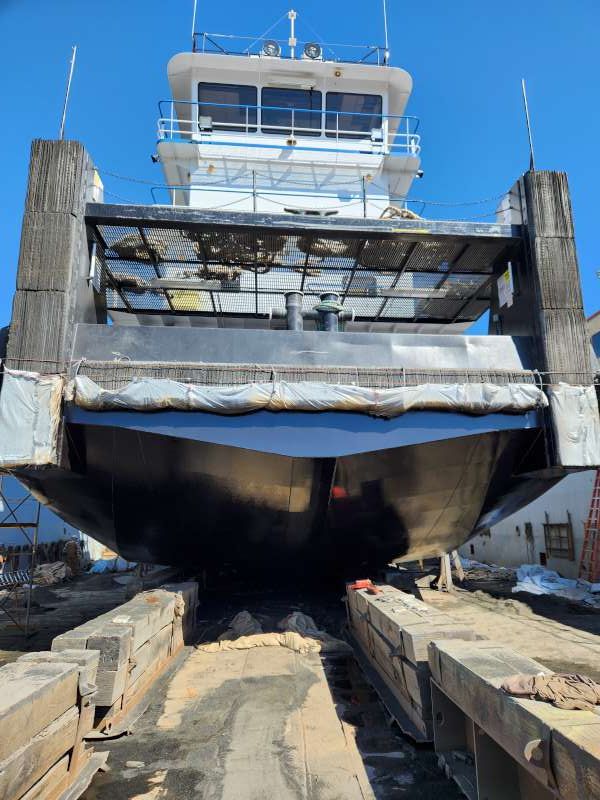
Inland Marine Towboat Hull Coating
Towboat hull required a durable long-lasting protective coating. Full prep performed at a regional shipyard.
- Marine
- Ships & Offshore Structures
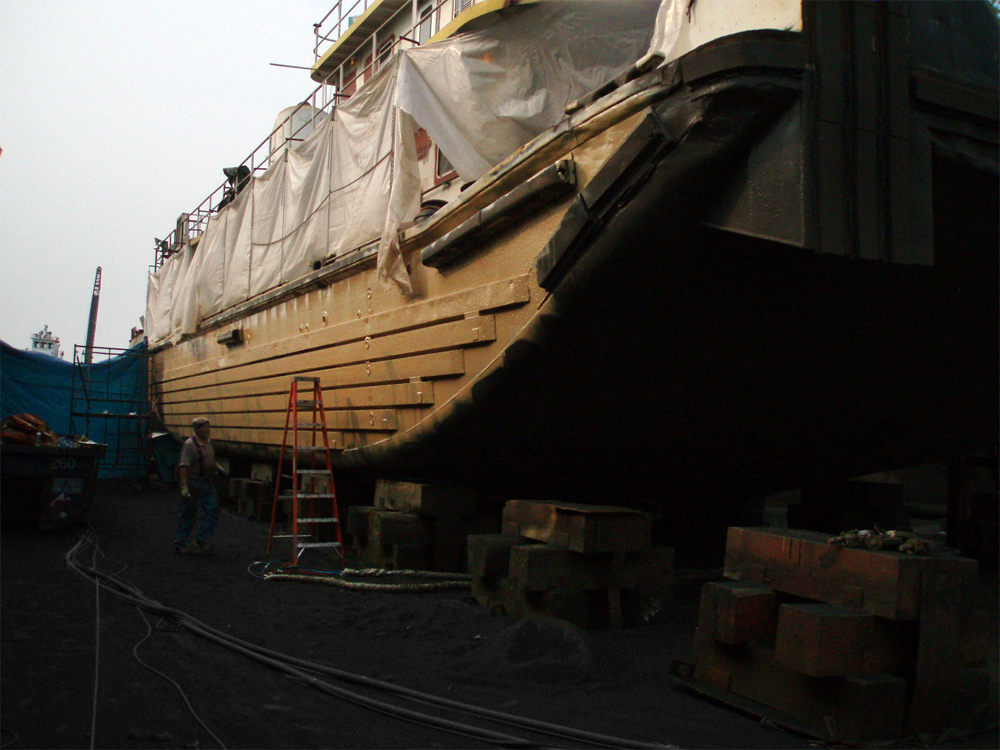
Ohio River Tugboat Hull Coating
103' tugboat operating on the Ohio River. The previous hull coating had disbonded across roughly 80% of the hull after only 24 months, leaving poor protection. Hull plates were severely pitted and corroded, with abrasive blasting penetrating the steel in spots. The operator needed a more durable, longer-lasting hull coating solution.
- Marine
- Ships & Offshore Structures
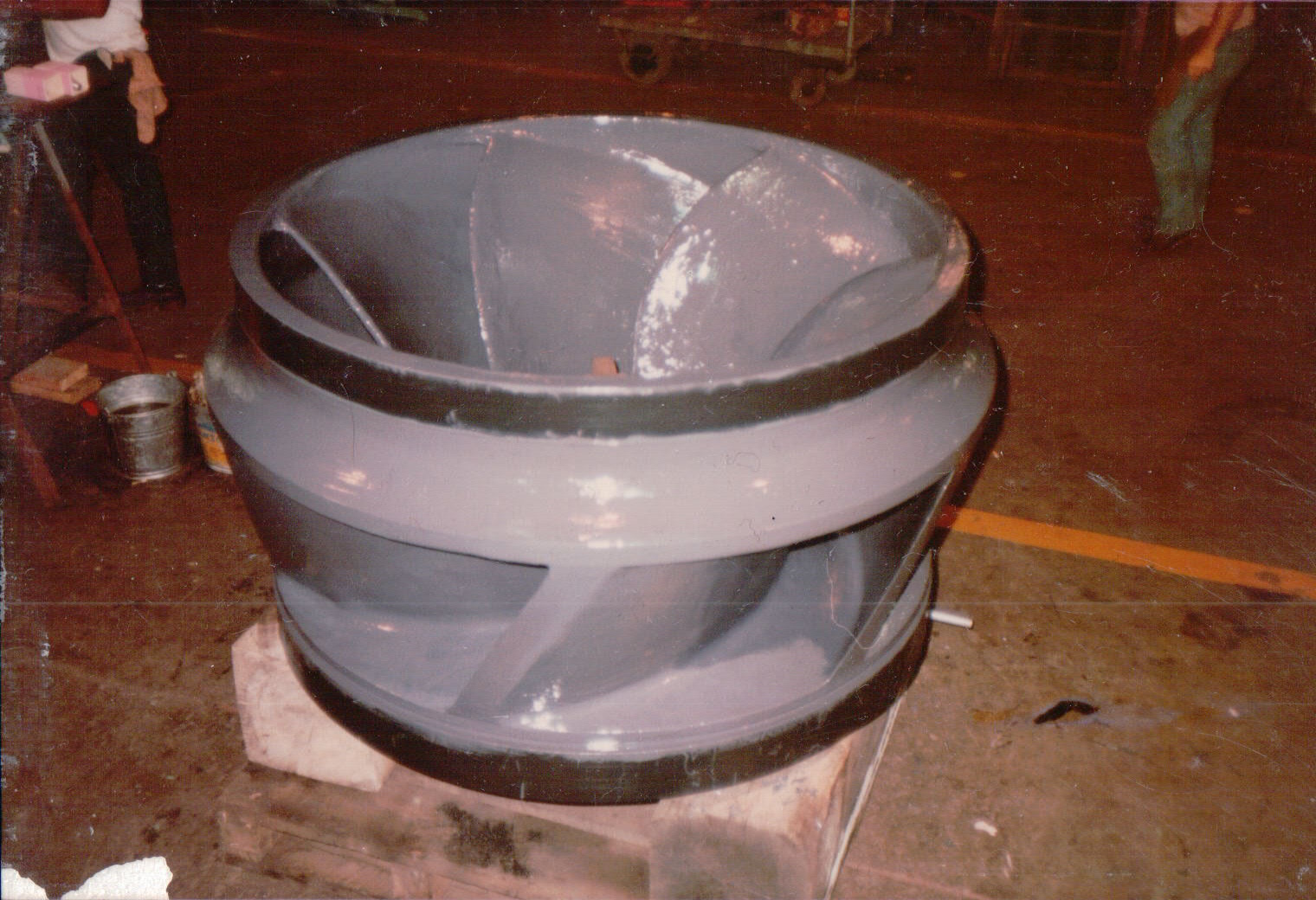
Circulating Water Pump Impeller Rebuild
After thirty years of service, the 54-inch circulating water pump impellers and rings at a coal-fired generating station were considerably worn and slated for replacement. A new impeller with full pump reassembly ran roughly $108,000 per pump — across twelve identical pumps, replacement was cost-prohibitive.
- Power
- Pumps
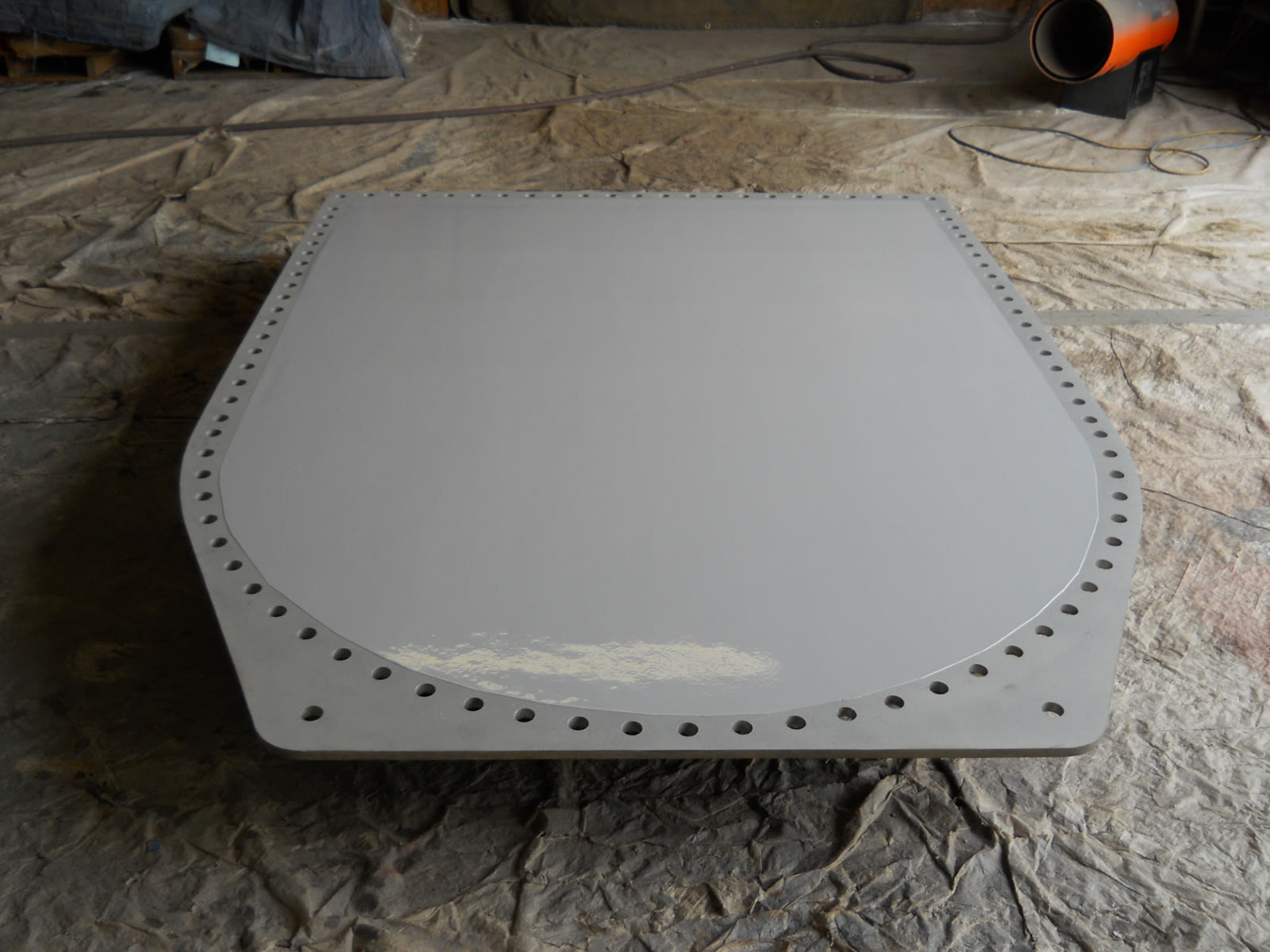
Clarifier Manway Door Coating & Gasket Face Sealing
Following repairs to a clarifier at a manufacturer, access to the internals was required, so a doorway was cut out of the vessel and built up. The manufacturer needed a way to coat the new door and then seal the pitted gasket face so the door could be closed off reliably. Welding was not an option.
- Manufacturing
- Gaskets, Seals, & Shims
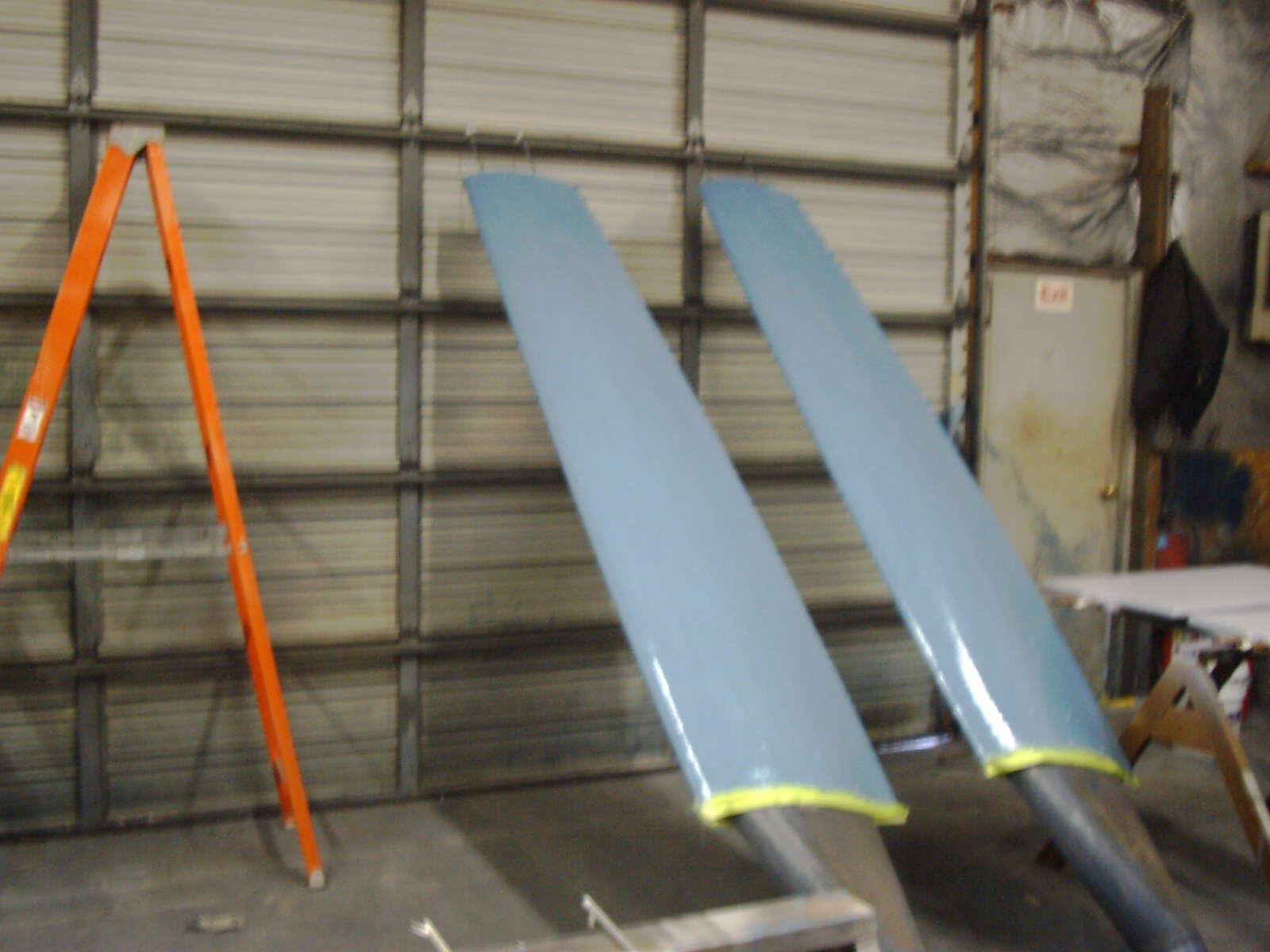
Worn Fan Blade Resurfacing
Fan blades were worn and roughened by erosion, adding drag and pulling down running efficiency. The default path was replacing the full set of blades.
- General Industry
- Fans, Blowers, & Compressors
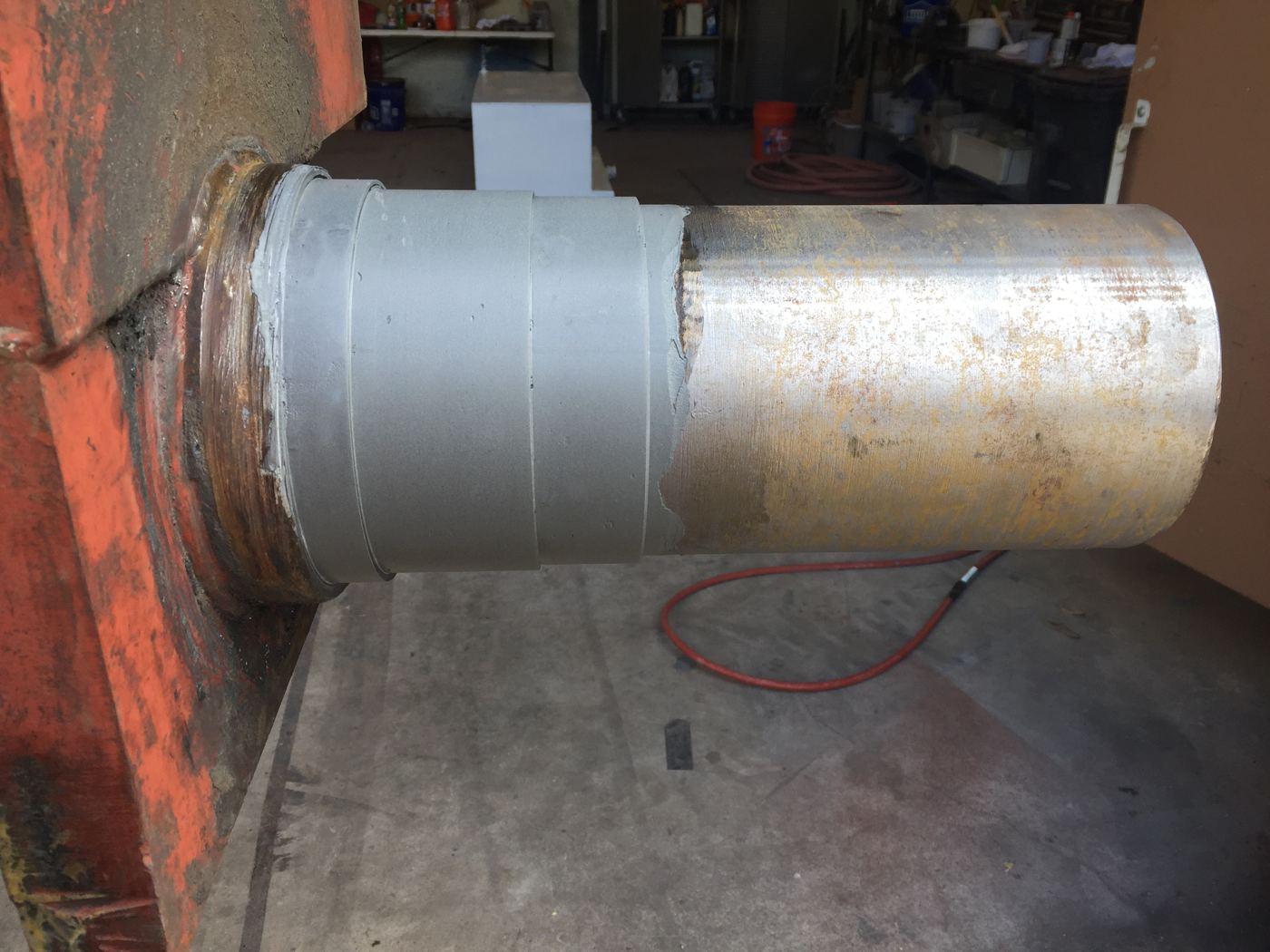
Metal Shredder Shaft Rebuild
A metal shredder shaft was badly worn at its bearing/seal area. Pulling the shaft out to weld and machine it was quoted at about $10,000 with roughly a week of downtime.
- General Industry
- Mechanical Power Transmission
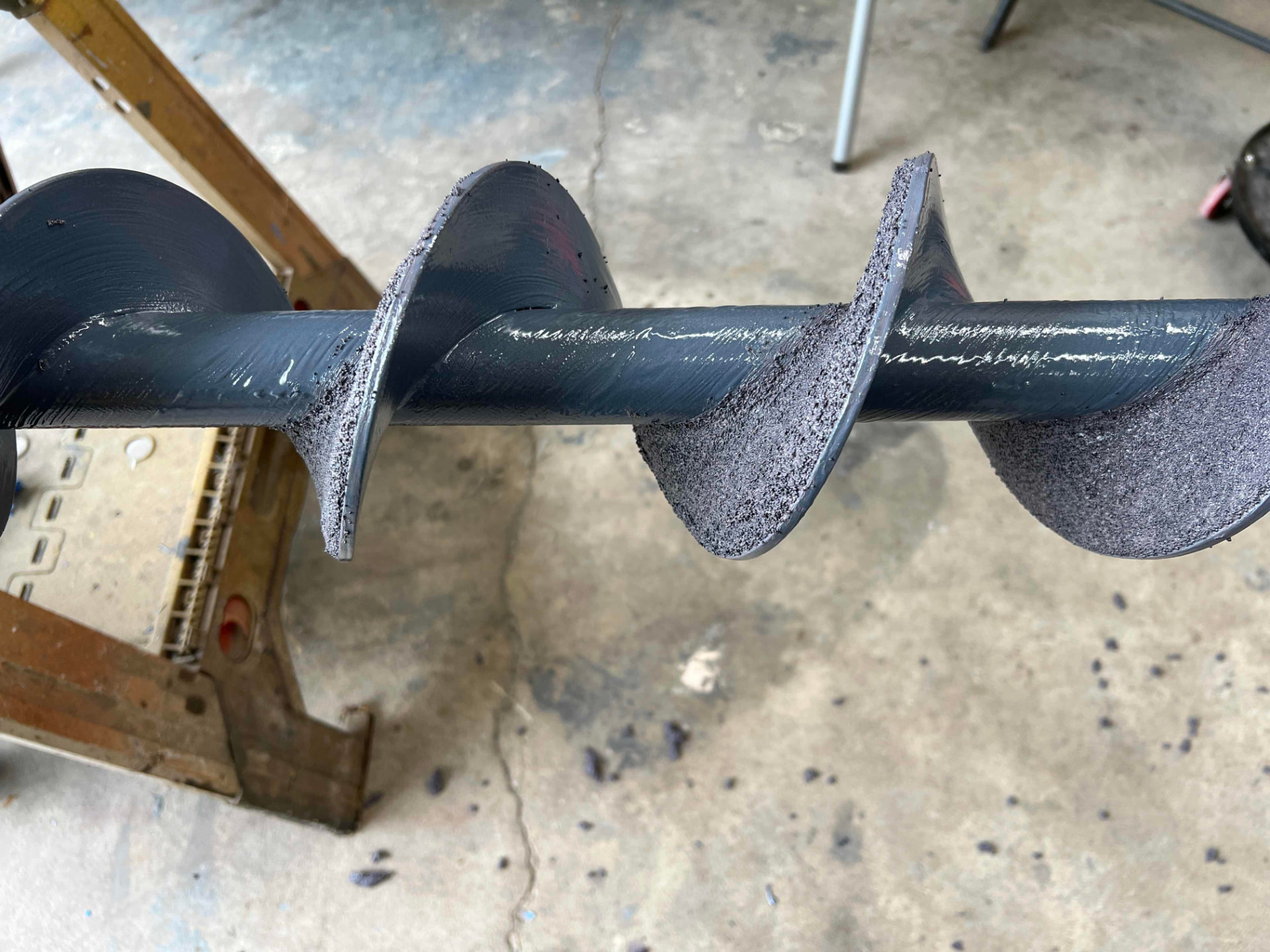
Auger Screw Coated for Abrasion Resistance
An auger screw at a machine shop needed protection against abrasive wear. Abrasive material moving along the flights thins the steel over time, costing throughput and edge profile and eventually forcing a weld overlay or a replacement screw.
- Manufacturing
- Solids Handling Machinery
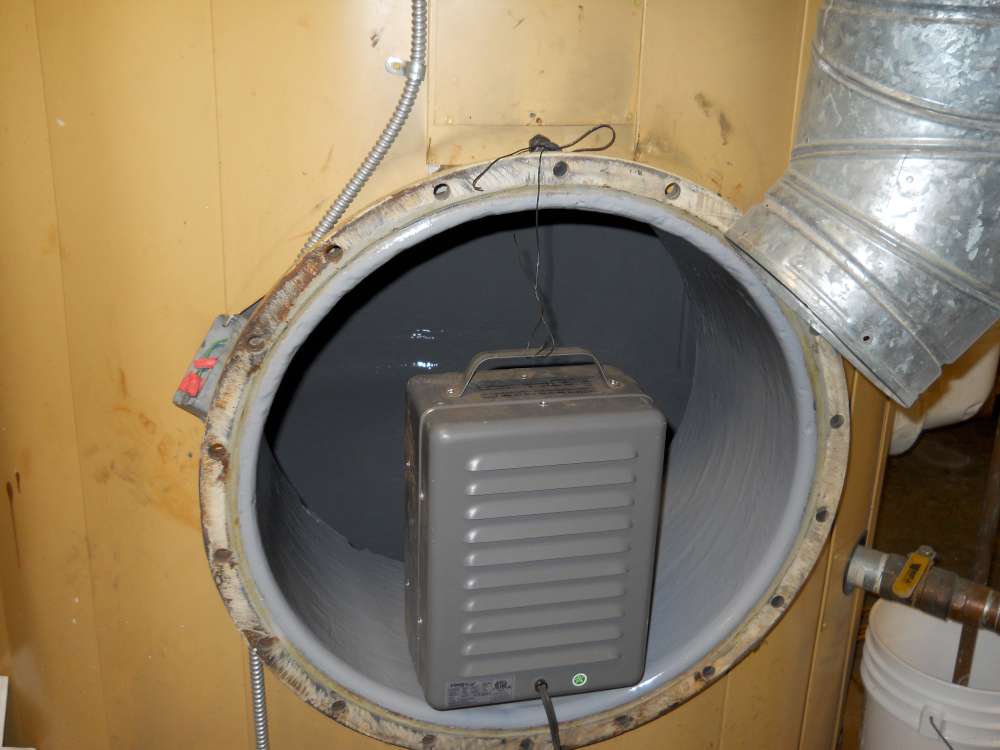
Corroded Potable Water Tank Rebuilt & Relined
A hot potable water storage tank in a facility mechanical room had reached the point where its internal coating had broken down. Rust was bleeding through the lining along the floor-to-wall seam and around fittings, and the steel beneath was pitted, putting the stored water and the tank itself at risk.
- Facilities Maintenance
- Tanks & Chemical Containment
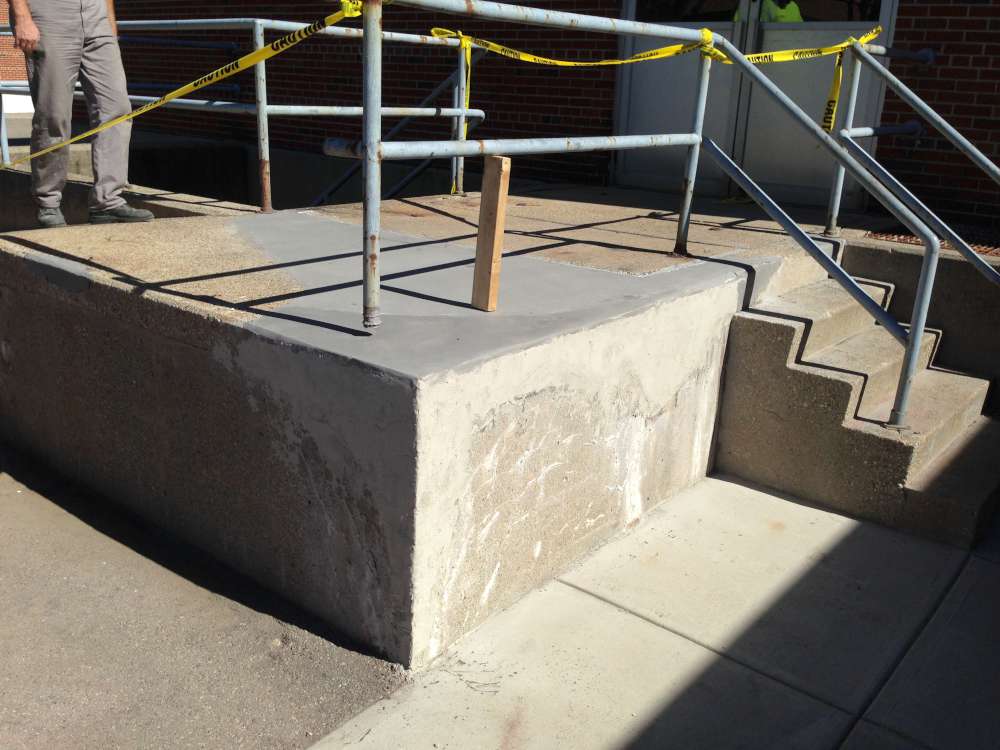
Worn Loading Dock & Ramp Rebuilt
Due to years of wear, this concrete loading dock and ramp was severely worn. The concrete had spalled away at the dock edge and corner, exposing corroded rebar and leaving broken edges and trip hazards where people and equipment cross every day.
- Facilities Maintenance
- Floors
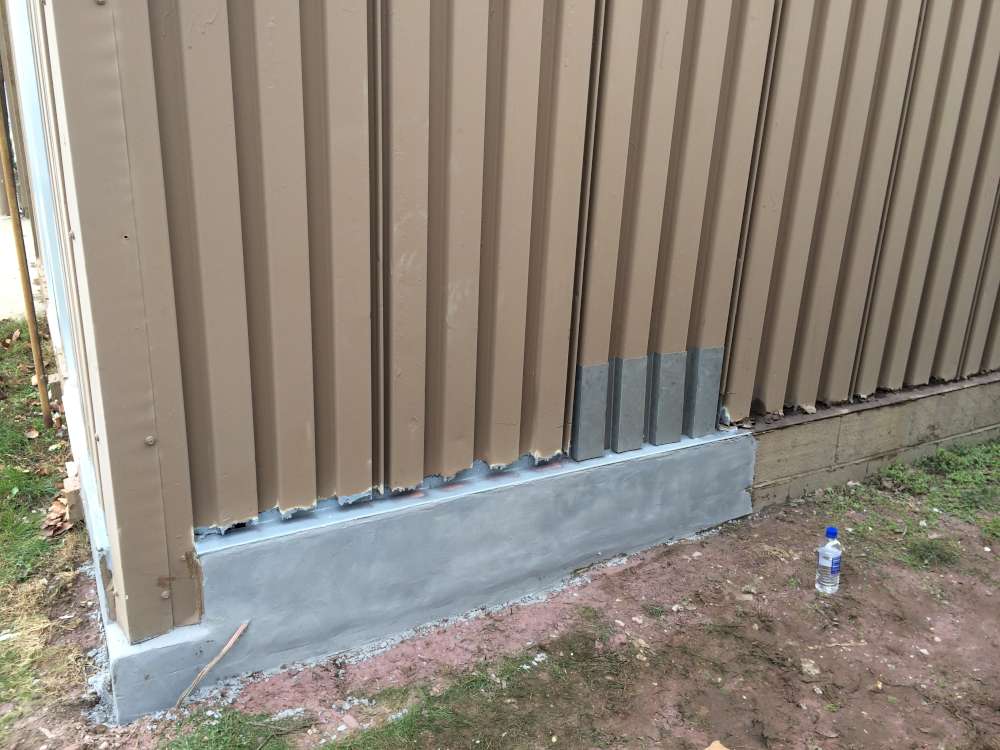
Deteriorated Wall & Concrete Base Rebuilt
Along several walls of a building for a commercial construction company, the bottom edge of the metal siding panels had corroded and rotted away where they met the concrete block base wall. The block base below was weathered, stained and spalled, and gaps behind the panels left the wall insulation exposed, letting water into the wall around the windows and along the long elevations.
- Facilities Maintenance
- Walls