The Challenge

In Wind Power, every hour a turbine is offline translates directly to lost generation and revenue — and traditional repairs involving welding or replacement are often impractical, slow, and hazardous at height or offshore, especially within narrow, weather-dependent maintenance windows. Turbines operate in some of the harshest conditions on earth, with constant exposure to the elements, UV radiation, and, offshore, saltwater and wave impact that attack blades, nacelle components, towers, and foundations continuously.

One Minute with Belzona — Wind Power Industry
How to Repair a Wind Turbine In-Situ

Across blades, nacelle components, gearboxes, towers, and foundations, erosion, corrosion, and impact damage steadily erode efficiency and reliability. The most critical repairs must be completed inside narrow, weather-dependent windows, on equipment that often can't be brought down, shipped to a shop, or reached without difficulty in the first place — especially offshore.

Belzona's cold-cure composites and coatings rebuild and protect turbine equipment in situ, letting repairs be completed within tight maintenance windows without hot work, at height or offshore. Rumford Industrial Group brings this capability, and the technical support to plan it, to wind operators across five states.

Belzona Solutions for the Wind Power Industry
Turbine Blade Restoration & Leading Edge Protection
Blade leading edges suffer erosion damage that can reduce Annual Energy Production by 4–20%, the single largest maintenance problem in the wind industry, requiring lightweight in-situ rebuild composites and UV-resistant, erosion-resistant protective coatings that restore service in as little as 4 hours without heat or specialist tools.
Nacelle & Mechanical Component Repair
Shafts, gearboxes, and bearing houses suffer wear, distortion, and erosion-corrosion damage, requiring cold-applied epoxy metal repair materials that repair equipment in situ, eliminating the need for dismantling, welding, and machining.
Safety & Access Surface Protection
Ladder rungs, walkways, platforms, and the nacelle top pose slip hazards during maintenance at height in wet and windy conditions, requiring bright-colored, slip-reduction coatings for safety and visibility.
Concrete Repair for Turbine Foundations
Turbine base and tower concrete suffers defects and unevenness as turbines and blades increase in size, requiring rapid-curing concrete repair composites for resurfacing and leveling that offer high mechanical and impact strength.
Corrosion Protection, Encapsulation & Leak Sealing
Turbine bases, flanged joints, and transformers suffer water ingress, crevice/galvanic/atmospheric corrosion, and oil leaks, requiring breathable, moisture-excluding encapsulation membranes and surface-tolerant materials that seal leaks on oily or wet surfaces without hot work.
Offshore Splash Zone Protection
Offshore turbine bases suffer impact damage from mooring boats and splash zone corrosion, along with neoprene jacket damage on platform legs, requiring surface-tolerant cold bonding adhesives that work underwater and flexible elastomeric systems that bond to neoprene and metal.
Common Asset Areas
+
Mechanical Power Transmission
Gearboxes, bearing houses, and shafts suffer wear, distortion, and damage from continuous rotation under load, requiring in-situ epoxy metal repair systems that resurface distorted housings and restore original tolerances without removing components from the nacelle. Learn More →
+
Gaskets, Seals, & Shims
Neoprene jackets on offshore platform legs and transformer seals suffer wear and leakage from continuous flexing and environmental exposure, requiring flexible elastomeric repair systems that restore watertight and oil-tight seals without full component replacement. Learn More →
+
Ships & Offshore Structures
Platform legs and splash-zone structures suffer erosion, corrosion, and impact damage from wave action and vessel mooring operations, requiring flexible membrane and peelable hybrid-polymer coatings that protect against continuous saltwater exposure while allowing inspection access. Learn More →
+
Valves, Pipes, & Fittings
Flanged joints and associated fittings suffer crevice, galvanic, and atmospheric corrosion from constant environmental exposure, requiring encapsulation systems and corrosion-resistant coatings that protect joints without dismantling. Learn More →
+
Tanks & Chemical Containment
Transformer housings suffer aging and environmental damage that can result in oil leaks, requiring rapid-curing sealing composites that stop leaks and restore containment without replacing the transformer. Learn More →
Equipment We Serve
Specific assets we service across onshore and offshore wind installations.
Equipment We Service
  • Turbine blades
  • Leading edges
  • Blade root connections
  • Main shaft
  • Main bearings and bearing housings
  • Gearbox housings
  • Generator housings
  • Couplings
  • Brake calipers and discs
  • Yaw bearings and yaw drives
  • Pitch bearings and pitch drives
  • Nacelle bedplate
  • Hydraulic cylinders and reservoirs (pitch and yaw systems)
  • Tower sections
  • Tower flanges
  • Bolted tower connections
  • Concrete foundations
  • Anchor cages and foundation bolts
  • Grouted connections
  • Monopiles
  • Jacket foundations
  • Transition pieces
  • Platform legs
  • Boat landings
  • J-tubes and cable protection systems
  • Scour protection
  • Splash zone structures
  • Transformers
  • Switchgear
  • Power converters
  • Cabling and cable trays
  • Substation equipment
  • Pumps
  • Pipework
  • Flanges
  • Valves
  • Gaskets and seals
  • Ladder rungs, walkways, and platforms
  • Access hatches
From the Field
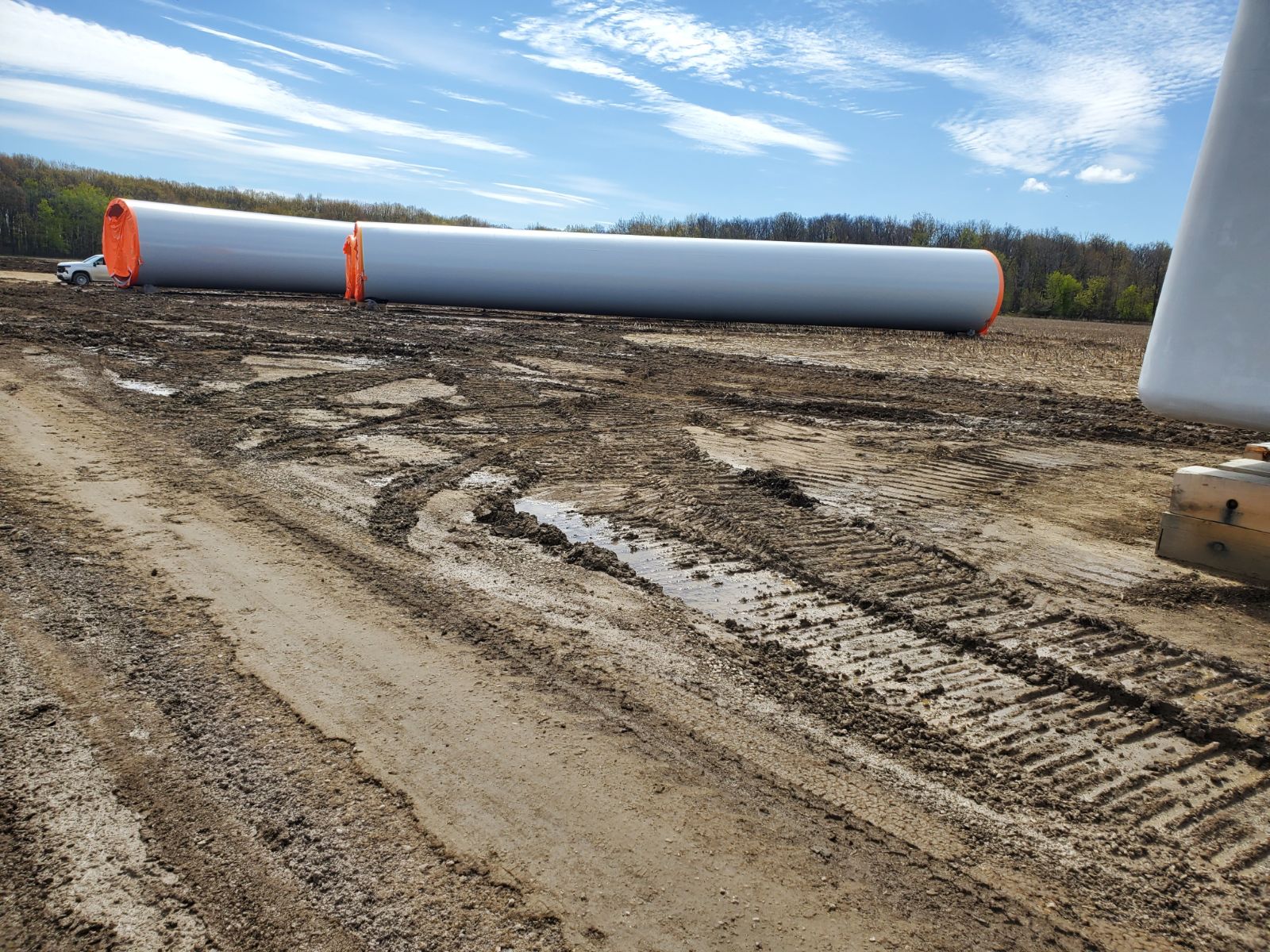
Wind turbine tower sections laid out on site during a Belzona training
Wind turbine tower sections — on site during a Belzona training.
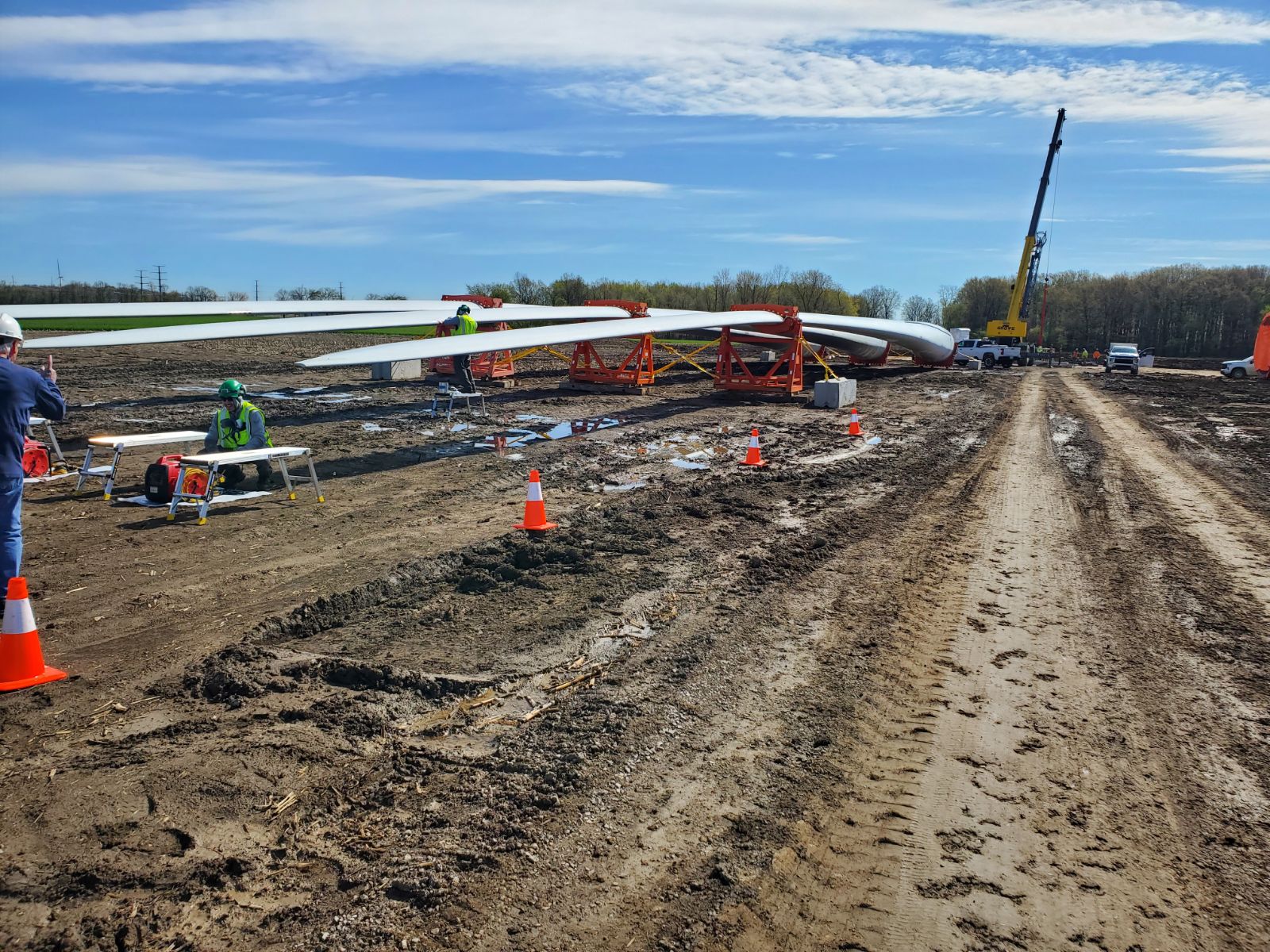
Wind turbine blades on stands during a Belzona training
Wind turbine blades — on stands during a Belzona training.